

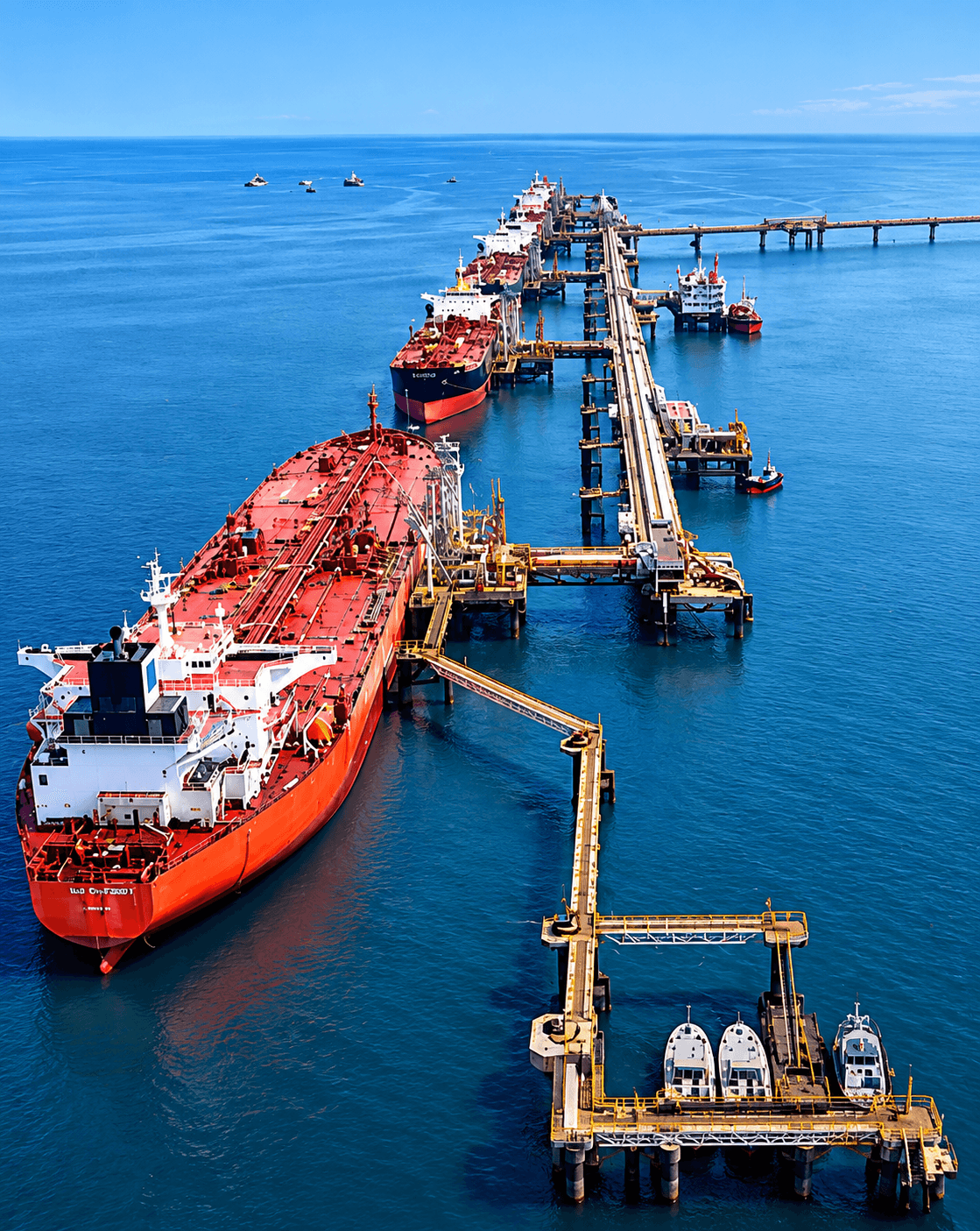
The oil market has pulled back from its recent highs, but the inflation threat linked to energy prices is still very much alive.
Brent crude settled around $100.20 a barrel on Wednesday after another volatile session, while U.S. West Texas Intermediate ended near $88.28. Prices remain elevated as the Iran conflict disrupts energy markets, refined-fuel supplies stay tight and traders continue to watch key Middle Eastern shipping routes.
For American consumers, the concern goes well beyond the price at the gas pump.
More expensive energy can raise the cost of transportation, manufacturing, food distribution, air travel, heating and many everyday services.
That makes the latest oil shock an increasingly important part of the U.S. inflation picture.
Federal Reserve officials are already paying close attention. Minutes from the central bank's September meeting showed concern that higher energy costs could persist and eventually feed into prices across the wider economy.
OIL REMAINS ABOVE THE $100 MARK
Crude remains the market's biggest focus.
Brent has repeatedly traded above $100 a barrel in recent sessions as investors weigh the Iran conflict against efforts by governments and international agencies to release emergency oil supplies.
On October 6, Brent settled at $100.58, while WTI closed around $89.44.
Prices moved lower the following day after the International Energy Agency agreed to accelerate the release of previously announced emergency oil stocks.
That helped ease some of the immediate pressure, but it did little to remove the underlying supply concerns.
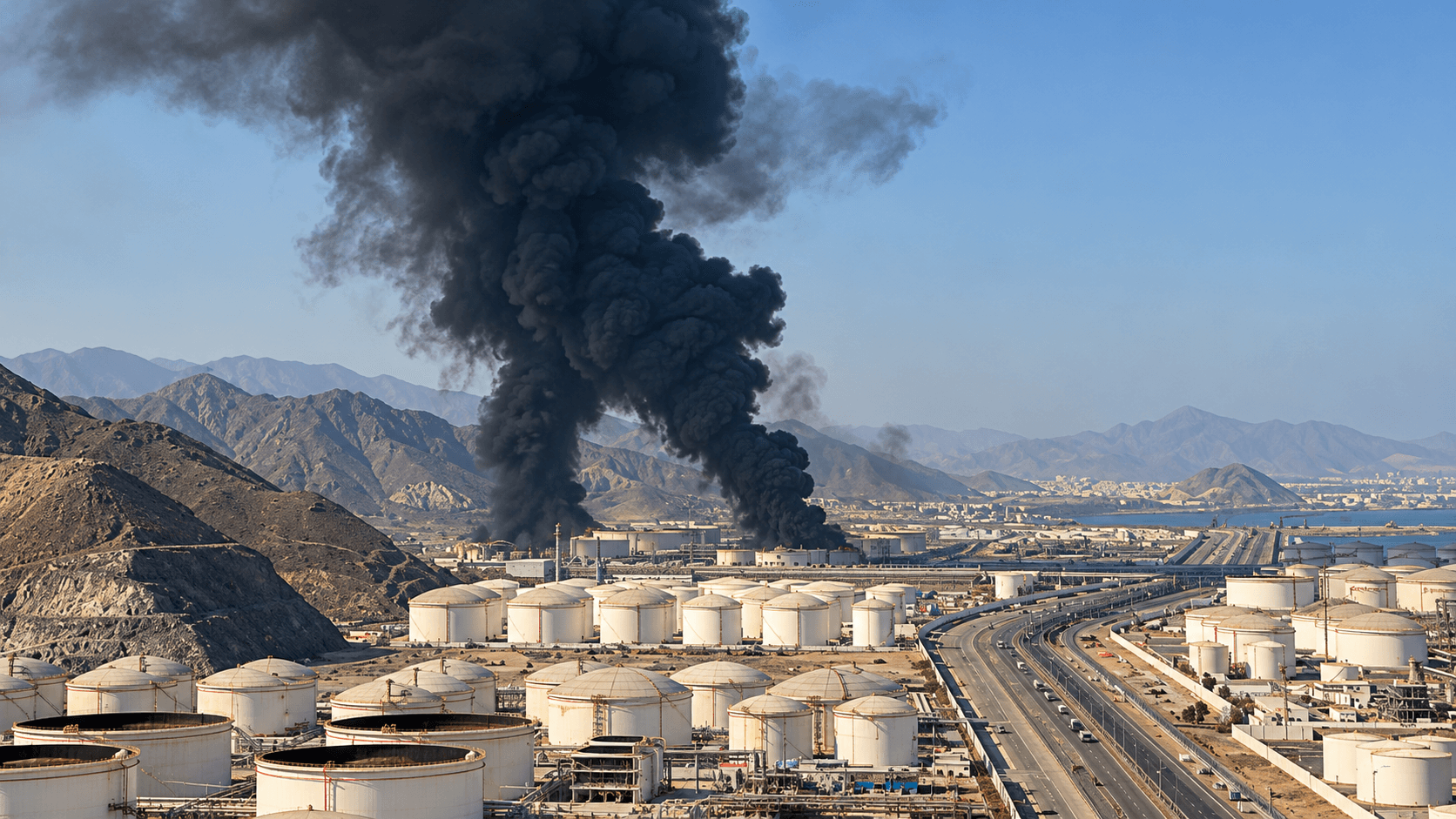
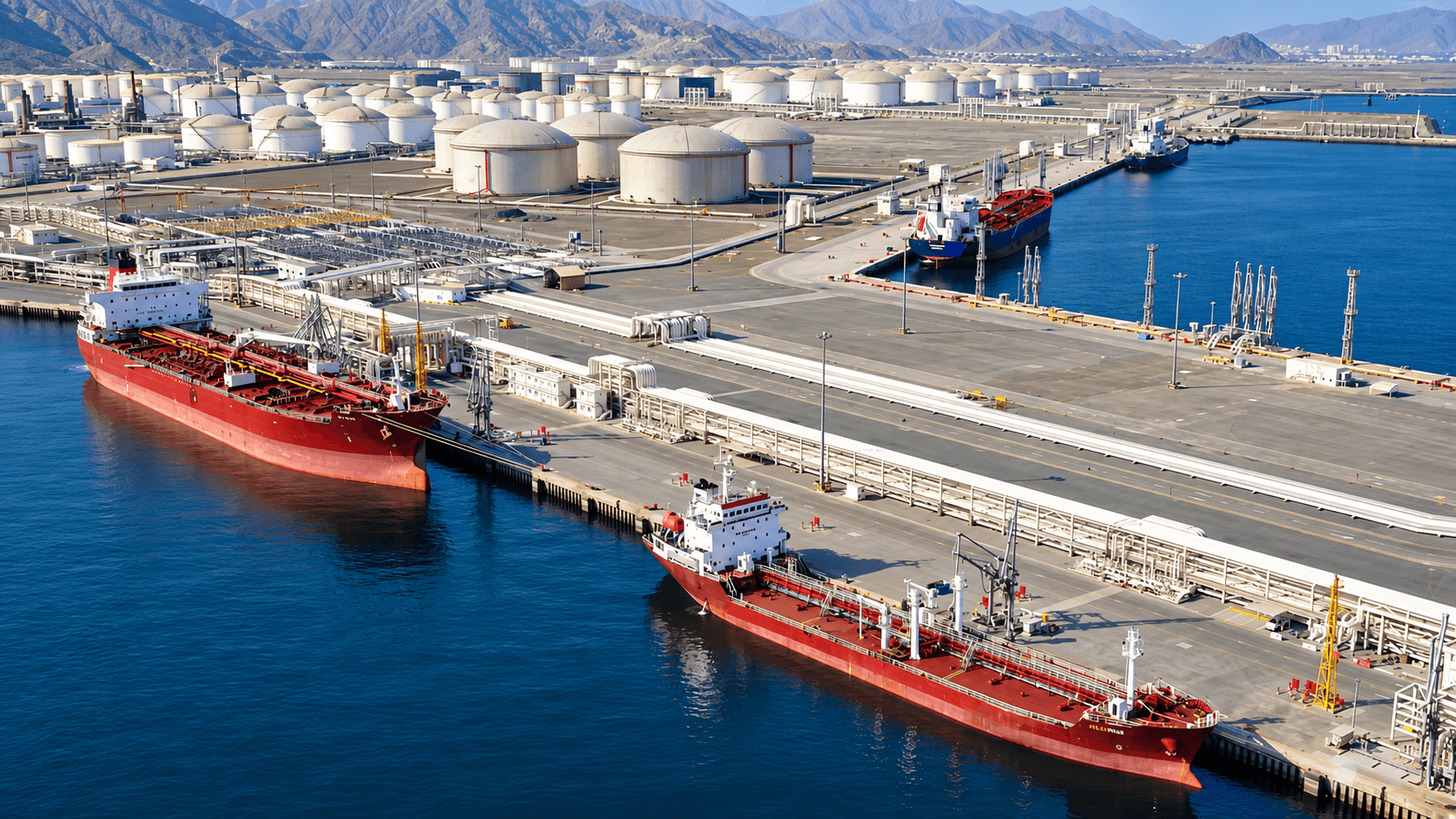
Markets remain highly sensitive to developments around the Strait of Hormuz, Gulf energy infrastructure and alternative export routes.
In an environment like this, even a temporary disruption can produce a sharp move in prices.
THE SUPPLY BUFFER IS SHRINKING
The key issue is not just how much oil the world is producing.
It is how much readily available oil remains in reserve.
Industry executives told Reuters that global stockpiles have been drawn down significantly as governments and companies have used reserves to offset major supply disruptions.
That leaves a smaller cushion if another disruption occurs.
A thinner supply buffer also means the market can react more aggressively to geopolitical developments.
If another major interruption hits production or shipping, there may be less emergency inventory available to absorb the shock.
THE EIA RAISES ITS OIL PRICE OUTLOOK
The U.S. Energy Information Administration has already adjusted its outlook for the oil market.
The EIA raised its oil-price forecasts for this year and next as the Iran conflict continues to drain global stockpiles and diesel markets remain tight.
The agency has also pointed to attacks affecting important regional oil infrastructure as a potential threat to future physical supplies.
That matters because energy prices can quickly move through the wider U.S. economy.
Higher crude prices can push up gasoline and diesel costs. More expensive diesel, in turn, raises the cost of transporting goods across the country.
The impact can therefore extend far beyond the energy industry.
AMERICANS ARE ALREADY FEELING THE ENERGY SHOCK
Recent inflation data shows how quickly energy prices can affect consumers.
According to the Bureau of Labor Statistics, U.S. consumer prices rose 0.4% in August.
Gasoline prices jumped 3.9% during the month and accounted for more than one-third of the overall monthly increase in consumer prices.
The broader energy index rose 2.1% in August.
Over the previous year, the energy index was up 16.3%.
That is significant at a time when policymakers are still trying to bring inflation closer to the Federal Reserve's 2% target.
DIESEL MAY BE THE BIGGER PROBLEM
Gasoline gets most of the attention because consumers see its price every time they fill up.
But diesel could pose a bigger economic challenge.
Diesel is essential to America's trucking industry, agriculture, construction and industrial transportation.
When diesel prices rise, businesses face higher operating costs. Those expenses can eventually reach consumers through more expensive food, manufactured goods, building materials and deliveries.
The global diesel market is already under pressure.
The IEA has agreed to accelerate oil-stock releases and prioritize diesel supplies as the Iran conflict continues to squeeze fuel markets.
U.S. INVENTORIES ARE OFFERING LITTLE COMFORT
The latest U.S. inventory figures also point to pressure in the domestic energy market.
U.S. crude inventories fell by 3.2 million barrels in the week ending October 2, reaching 424.1 million barrels.
That was a surprise for analysts who had expected inventories to increase.
At the same time, U.S. crude exports rose by 1.2 million barrels per day to 4.77 million barrels per day.
Refinery utilization also climbed to 92.7%.
Gasoline inventories increased slightly, but supplies along the U.S. Gulf Coast and in the Midwest remained particularly tight.
That leaves parts of the domestic market vulnerable if another disruption hits.
THE FED HAS A NEW INFLATION PROBLEM
The Federal Reserve's job is becoming more complicated.
Energy prices can be extremely volatile and can fall almost as quickly as they rise.
The bigger concern for policymakers is what happens if an energy shock starts spreading into other parts of the economy.
That was one of the risks discussed at the Fed's September meeting.
According to the minutes, some officials were concerned that higher energy costs could become more widespread and persistent instead of remaining limited to fuel markets.
If that happens, bringing inflation back toward the Fed's 2% target becomes more difficult.
The Federal Reserve raised its benchmark interest rate by a quarter percentage point in September, its first increase in three years.
The meeting minutes also showed that several officials believed monetary policy might still not be restrictive enough to bring inflation fully under control.
HIGHER OIL COULD KEEP RATES HIGHER
This is where the energy market and financial markets meet.
If oil stays around or above $100 a barrel for an extended period, inflation could prove harder to bring down.
That could limit the Federal Reserve's room to cut interest rates.
Markets are also having to consider whether another rate increase could eventually be necessary.
Higher rates would raise borrowing costs for households and businesses, putting additional pressure on housing, investment and economic growth.
The scenario policymakers want to avoid is straightforward:
Higher oil → higher inflation → fewer rate cuts → higher borrowing costs → slower growth.
WALL STREET IS WATCHING OIL CLOSELY
U.S. stocks have remained surprisingly resilient, but higher energy costs create a difficult backdrop for many companies.
Airlines face higher jet-fuel bills.
Transportation companies pay more for diesel.
Manufacturers face rising energy and logistics costs.
Retailers deal with higher shipping expenses.
Consumers, meanwhile, may have less money left for discretionary spending.
At the same time, elevated Treasury yields are adding another source of pressure to equity valuations.
With Brent above $100 and the 10-year Treasury yield around 5.3%, investors are watching both oil and the bond market for signs that inflation pressures could become more persistent.
THE HORMUZ FACTOR
The Strait of Hormuz remains central to the global energy story.
Before the conflict, roughly one-fifth of the world's oil supply passed through the waterway.
Traffic has recovered significantly, but the route remains vulnerable to further disruption.
Reuters reported that crude exports through Hormuz averaged around 12 million barrels per day during the latest two-week period, roughly 80% of pre-war levels.
Combined with alternative export routes, Middle Eastern crude exports have recovered substantially.
Yet Brent remains above $100 because traders are still pricing in geopolitical and logistical risks.
That distinction matters.
The market is not just pricing the supply available today.
It is also pricing the possibility that tomorrow's supply could be disrupted.
EMERGENCY STOCK RELEASES OFFER SOME RELIEF
Governments are trying to prevent the energy shock from getting worse.
The International Energy Agency has agreed to speed up previously announced stock releases, potentially putting significant additional volumes into the market.
France is also preparing to release diesel from strategic reserves.
The goal is simple: increase available fuel, reduce shortages and take some pressure off prices.
But emergency reserves are not a permanent solution.
They can buy time.
They cannot indefinitely replace stable production and dependable shipping routes.
THE CONSUMER IMPACT COULD SPREAD
Energy costs rarely stay confined to the energy sector.
Higher gasoline prices put pressure on household budgets.
Higher diesel prices raise trucking costs.
Higher trucking costs can increase retail prices.
Transportation costs affect food distribution.
Higher fuel costs increase airline expenses.
More expensive energy can also raise manufacturing costs.
The longer an energy shock lasts, the greater the risk that businesses begin passing those higher costs through to customers.
That is exactly the kind of persistent inflation the Federal Reserve wants to prevent.
WHY THIS MATTERS
The United States is facing a difficult economic mix.
Inflation remains above the Fed's target.
Long-term Treasury yields are elevated.
Oil is still above $100.
Diesel supplies remain tight.
And policymakers are watching closely for signs that temporary energy shocks could become more permanent.
Consumers are already dealing with high housing, food and borrowing costs.
A prolonged energy shock would therefore arrive at an especially difficult time.
There are some positives. Global oil flows have recovered significantly, while emergency stock releases could provide additional supply.
But the geopolitical risks behind the current energy pressure have not gone away.
FACT CHECK METER
FACT METER: 98%
STATUS: DEVELOPING
CONFIRMED:
Brent crude remains around the $100-a-barrel level, while WTI is trading below it. Prices remain highly sensitive to developments affecting Middle Eastern energy supplies.
CONFIRMED:
U.S. August CPI data showed gasoline prices rising 3.9% during the month, while the overall energy index increased 2.1%. Energy prices were 16.3% higher than a year earlier.
CONFIRMED:
Federal Reserve officials have raised concerns that higher energy costs could spread into broader and more persistent inflation.
IMPORTANT DISTINCTION:
Higher oil prices do not automatically mean another major inflation surge. The duration of the energy shock, consumer demand, supply conditions and the extent to which higher fuel costs spread to other prices will determine the broader impact.
AWX VERDICT:
The U.S. energy market is under pressure, and oil above $100 is keeping inflation firmly on the Federal Reserve's radar.
AWX FOCUS
The biggest question is no longer simply:
“How high can oil go?”
It is:
“How long can it stay high?”
A short-lived oil spike could fade without having a lasting impact on inflation expectations.
A prolonged period of expensive crude and diesel would be much more serious.
The Federal Reserve can look through temporary energy volatility.
It becomes much harder to do that if higher energy costs begin spreading into wages, transportation, services and consumer expectations.
That makes the coming weeks particularly important.
WHAT TO WATCH NEXT
1. BRENT CRUDE
Whether oil remains above $100 or begins moving decisively lower.
2. DIESEL PRICES
Tight diesel markets could create broader transportation and inflation pressures.
3. U.S. CPI
The September inflation report will provide the next major test of the energy shock.
4. FED POLICY
Officials will be watching closely for signs that energy costs are feeding into broader inflation.
5. HORMUZ SHIPPING
Any major disruption could send oil prices sharply higher.
6. STRATEGIC RESERVE RELEASES
The speed at which emergency oil and diesel supplies reach the market will be important.
7. U.S. INVENTORIES
Further declines in crude or refined-fuel inventories could increase market anxiety.
THE AWX BOTTOM LINE
America's energy problem is becoming an inflation problem again.
Oil above $100 a barrel, tight diesel supplies and continuing geopolitical risks are making it harder for policymakers to declare victory over inflation.
Emergency stock releases can provide temporary relief, while stronger Middle Eastern exports could help ease some of the pressure.
But as long as the Strait of Hormuz remains vulnerable and global energy inventories remain under strain, the risk premium built into oil prices may not disappear quickly.
For the Federal Reserve, the challenge is becoming increasingly clear:
Fight inflation without pushing the economy into a slowdown — while an energy shock is pulling in the opposite direction.
The next major move in oil could therefore become one of the most important signals for both Wall Street and Main Street.
ATTLAS WIRE | AWX WORLD NEWS
Real Stories. Lasting Impact.


Comments
No comments yet.