


Europe has spent the past several years trying to make its energy system more resilient.
It has reduced its reliance on Russian pipeline gas, expanded LNG imports and invested heavily in renewable energy. But another major disruption could put that progress to the test.
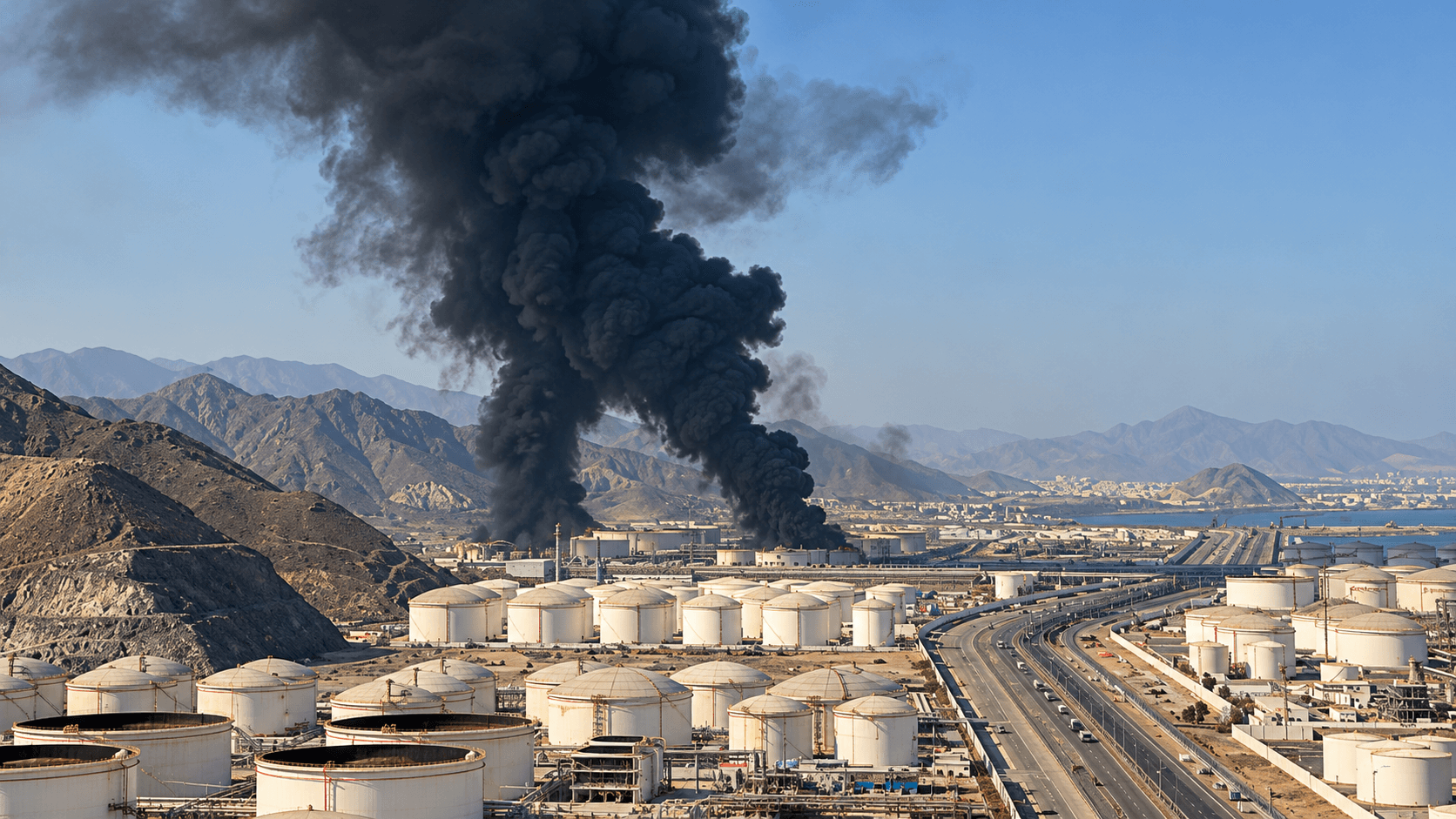
Oil and gas markets remain vulnerable to geopolitical tensions, while diesel supplies are under pressure. At the same time, governments are weighing how much emergency fuel they can release without leaving themselves exposed if the crisis lasts longer than expected.
The question is no longer simply whether Europe can get through one energy disruption.
It is whether the continent can cope if several problems hit at the same time.
The central question is straightforward:
If another major energy shock arrives before markets have fully settled, does Europe have enough supply, infrastructure and emergency capacity to absorb it?
WHAT IS HAPPENING?
Europe's energy system is under pressure from several directions at once.
Global oil markets remain highly sensitive to developments in the Middle East. Gas markets are closely watching LNG availability, shipping routes and competition from Asian buyers.
Diesel supplies are also facing tighter conditions in several markets.
At the same time, European governments have to decide how much of their emergency fuel stocks can be used without weakening their reserves for a potentially more serious crisis.
Each problem on its own may be manageable.
The bigger concern is what happens when they arrive together.
WHY EUROPE IS STILL VULNERABLE
Europe has changed its energy system significantly since the crisis that followed Russia's invasion of Ukraine.
Countries have diversified gas supplies, expanded LNG capacity and sharply reduced their dependence on Russian pipeline gas.
But diversification does not mean Europe is insulated from global events.
The continent still relies heavily on international energy markets. A disruption thousands of kilometres away can quickly show up in European prices.
In other words, Europe has moved away from one major vulnerability — dependence on a single supplier — but remains exposed to another:
a highly interconnected global energy market.
THE GAS PROBLEM
Natural gas remains one of Europe's most sensitive energy markets.
It is used for:
Electricity generation
Industrial production
Heating
Chemical manufacturing
Fertiliser production
LNG has helped replace much of the pipeline gas that Europe previously received from Russia.
But LNG is traded on a global market.
If demand rises sharply in Asia or a major producer experiences an unexpected disruption, European buyers may have to pay more to attract available cargoes.
That can quickly turn a supply concern into a price problem.
THE LNG RACE
Europe is competing with Asia for many of the same LNG supplies.
That competition becomes especially intense when geopolitical tensions reduce the amount of gas available on the global market.
Higher European prices can attract additional LNG cargoes, but there is a downside.
More expensive gas can push up electricity prices and increase costs for European manufacturers.
That leaves policymakers facing an uncomfortable choice:
Pay more to secure additional LNG — or accept greater pressure on supplies.
THE OIL CONNECTION
Oil presents another major vulnerability.
Europe remains a large consumer of petroleum products, meaning disruptions to global crude supplies can quickly translate into higher fuel prices.
The Middle East is particularly important in this regard.
A prolonged disruption to regional production or shipping routes could push crude prices significantly higher.
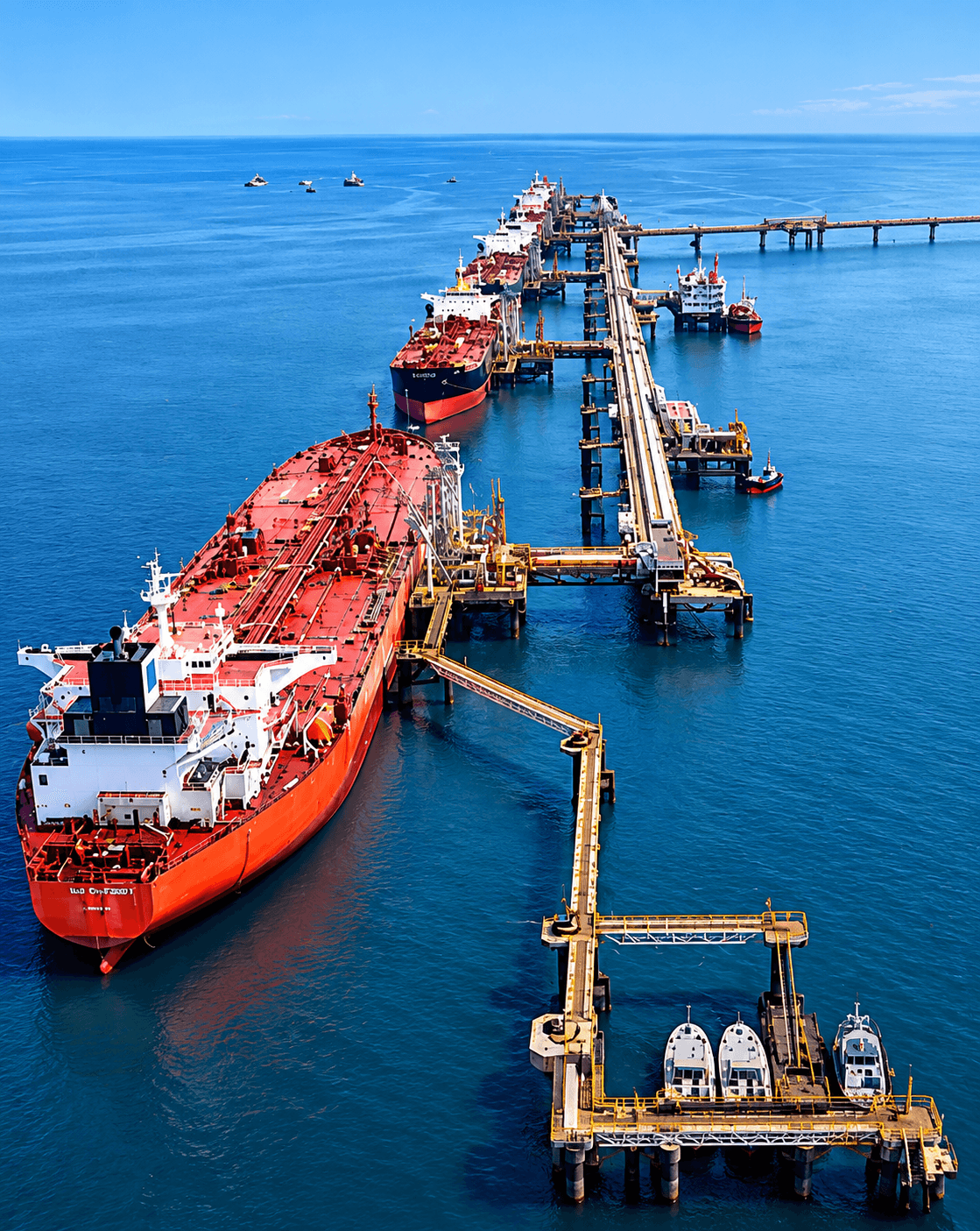
The Strait of Hormuz is one of the world's most important energy chokepoints. Any prolonged disruption there could affect crude oil, refined products and LNG markets at the same time.
That would make an already difficult situation considerably harder to manage.
DIESEL IS THE IMMEDIATE WARNING
Diesel is one of the areas receiving particularly close attention.
The fuel remains essential to:
Freight transport
Agriculture
Construction
Manufacturing
Commercial transport
Even without a physical shortage, tight global supplies can push European diesel prices higher.
And diesel prices do not stay confined to fuel stations.
Higher fuel costs raise the expense of moving goods, operating machinery and running businesses.
A fuel shock can therefore become an inflation problem surprisingly quickly.
EUROPE'S EMERGENCY RESERVES
Strategic reserves exist for precisely this kind of situation.
But they are not unlimited.
European governments may come under pressure to release some stocks if diesel markets tighten further or prices rise sharply.
The decision is not straightforward.
Releasing reserves can provide additional supply when markets are under stress. But doing so also reduces the safety buffer available if conditions deteriorate later.
That leaves governments facing a difficult question:
Use reserves now to ease the pressure — or keep them in case a bigger crisis arrives?
THE WINTER TEST
Winter could become one of the biggest tests of Europe's energy resilience.
Colder weather can increase demand for:
Natural gas
Electricity
Heating oil
Diesel
If temperatures fall sharply while global markets are already tight, pressure on European governments could increase quickly.
Energy storage provides an important cushion, but storage alone cannot solve every problem.
Europe also needs functioning pipelines, LNG terminals, ports, electricity networks, shipping routes and reliable suppliers.
A full energy system is only as strong as its weakest link.
ELECTRICITY IS PART OF THE PROBLEM
Gas prices can have a direct effect on European electricity markets because gas-fired power plants remain important in several countries.
When gas becomes more expensive, the cost of electricity generation can rise as well.
That can affect:
Households
Factories
Small businesses
Data centres
Transport systems
The consequences of an energy shock can therefore spread far beyond the energy sector itself.
INDUSTRY FACES A TOUGH CHOICE
Energy-intensive industries are particularly exposed to higher gas and electricity prices.
Steelmakers, chemical producers, glass manufacturers and other heavy industries need reliable and competitively priced energy to remain viable.
If European energy costs remain significantly higher than those faced by competitors elsewhere, companies may reduce production, delay investment or consider moving some activity overseas.
That makes energy security about more than keeping homes warm and electricity flowing.
It is also about keeping European industry competitive.
THE INFLATION RISK
Another energy shock could complicate Europe's inflation outlook.
Higher oil prices can increase transport costs.
Higher gas prices can raise electricity and industrial expenses.
More expensive diesel can push up freight and logistics costs.
Eventually, some of those costs can reach consumers.
For the European Central Bank, that could create a difficult situation.
Energy prices can push inflation higher even when economic growth is slowing.
THE ECB'S DILEMMA
The European Central Bank cannot increase oil or gas supplies.
Its role is to respond to the economic effects of higher energy costs.
If an energy shock pushes inflation higher, policymakers could face pressure to keep monetary policy tighter for longer.
But higher borrowing costs can also weaken investment, spending and economic growth.
That creates an uncomfortable combination:
Higher energy prices + weaker growth + persistent inflation.
If those conditions persist, concerns about stagflation could return to the debate.
CAN EUROPE REPLACE LOST SUPPLIES?
Europe has more options than it did several years ago.
It can import LNG from a wider range of suppliers, source crude oil from different regions, increase renewable generation and reduce demand through efficiency measures.
Strategic reserves also provide an additional layer of protection.
But none of these measures can instantly replace a major lost supply.
Infrastructure has limits.
Shipping capacity has limits.
Refining capacity has limits.
And Europe is competing with other major economies for the same energy resources.
RENEWABLES PROVIDE A BUFFER — BUT NOT AN IMMEDIATE FIX
Europe's investment in wind and solar has reduced the role of imported fossil fuels in electricity generation.
That strengthens energy security over the long term.
But renewable generation is dependent on weather conditions.
Solar production falls at night and can decline during periods of weak sunlight. Wind generation can also fluctuate.
Europe therefore still needs energy storage, stronger transmission networks, flexible generation and other backup systems.
Renewables are an important part of the solution, but they cannot eliminate every short-term supply risk.
THE INFRASTRUCTURE QUESTION
Energy security depends heavily on infrastructure.
Europe needs sufficient:
LNG terminals
Gas pipelines
Electricity interconnectors
Storage facilities
Refineries
Ports
A problem in one part of the system can quickly create pressure somewhere else.
That is why energy infrastructure is increasingly viewed by governments as a strategic asset rather than simply another part of the economy.
THE GLOBAL COMPETITION
Europe is not competing for energy on its own.
Asia remains a major LNG market.
The United States has become an important energy producer and exporter.
Middle Eastern producers remain central to global oil supplies.
China plays a major role in global refining and fuel markets.
India's energy demand is also continuing to grow.
When global supply tightens, major economies are effectively competing for the same resources.
Higher prices can attract additional cargoes, but relying on ever-higher prices to secure supply is not a sustainable long-term strategy.
WHAT IF ANOTHER SHOCK HITS?
Consider a situation in which:
Middle Eastern oil shipments are disrupted.
LNG cargoes become significantly more expensive.
US diesel exports decline.
Russian fuel supplies remain restricted.
European winter demand rises.
Any one of these developments could potentially be managed.
The problem is what happens if several occur at once.
That is the kind of scenario European policymakers are trying to avoid.
EUROPE'S STRONGER POSITION
The outlook is not entirely negative.
Europe has learned important lessons from the previous energy crisis.
The continent has:
Diversified gas suppliers
Expanded LNG infrastructure
Increased renewable capacity
Improved energy efficiency
Strengthened strategic planning
Developed new supply relationships
These changes have made Europe more resilient than it was several years ago.
The uncertainty is whether that resilience will be enough if multiple disruptions happen simultaneously.
WHY THIS MATTERS
1. ENERGY SECURITY IS ECONOMIC SECURITY
Fuel and electricity costs affect almost every part of the European economy.
2. DIESEL REMAINS CRITICAL
Transport, agriculture and industry continue to depend heavily on refined fuels.
3. GAS STILL MATTERS
European electricity and industrial markets remain sensitive to gas prices.
4. GEOPOLITICAL RISKS CAN SPREAD QUICKLY
Tensions in the Middle East can affect oil, gas and shipping at the same time.
5. WINTER COULD TEST THE SYSTEM
A sharp increase in demand could put additional pressure on markets already facing uncertainty.
FACT CHECK METER
AWX FACT CHECK
FACT METER: 95%
STATUS: DEVELOPING
CONFIRMED
Europe has significantly diversified its gas supplies since the energy crisis that followed Russia's invasion of Ukraine.
LNG has become an important part of Europe's gas supply.
Global oil and refined-product markets remain sensitive to developments in the Middle East.
Diesel remains essential to European transport, agriculture and industry.
European governments maintain emergency energy and fuel reserves.
Renewable energy has become an increasingly important part of Europe's electricity mix.
IMPORTANT DISTINCTION
ENERGY PRESSURE DOES NOT AUTOMATICALLY MEAN EUROPE IS FACING AN IMMEDIATE SHORTAGE.
Tight markets, higher prices and physical supply shortages are three different situations.
NOT YET ESTABLISHED
Whether Europe will experience a major physical energy shortage.
Whether another significant disruption will occur before winter.
Whether strategic fuel reserves will need to be released on a large scale.
How severe a potential winter supply shock could become.
AWX VERDICT
ENERGY SECURITY: UNDER PRESSURE
GAS MARKET: WATCHED CLOSELY
DIESEL: TIGHT
OIL RISK: ELEVATED
WINTER DEMAND: KEY VARIABLE
EUROPEAN RESILIENCE: STRONGER BUT TESTED
SITUATION: DEVELOPING
AWX FOCUS: CAN EUROPE HANDLE ANOTHER SHOCK?
GAS
Diversified suppliers and expanded LNG infrastructure give Europe more flexibility than it had several years ago, but competition for global gas remains intense.
OIL
Europe remains exposed to global crude prices and geopolitical disruptions.
DIESEL
Tight refined-product markets could quickly affect transport costs and inflation.
ELECTRICITY
Higher gas prices can add pressure to wholesale electricity markets.
RESERVES
Emergency stocks provide an important buffer, but they cannot replace long-term supply.
RENEWABLES
Growing renewable capacity improves Europe's long-term resilience, but flexible energy sources and backup systems remain necessary.
THE KEY QUESTION
Has Europe built enough resilience to withstand another major energy disruption — or has it simply exchanged one dependency for another?
WHAT TO WATCH NEXT
Middle East
Whether geopolitical tensions begin to disrupt oil or gas flows.
Strait of Hormuz
Any developments affecting one of the world's most important energy shipping routes.
LNG
Whether European buyers face stronger competition from Asian markets.
Diesel
Whether European inventories remain under pressure.
Strategic reserves
Whether governments decide to release additional emergency stocks.
Winter
Temperature forecasts and changes in seasonal energy demand.
Electricity
Wholesale power prices and gas-fired generation.
Industry
Whether energy-intensive companies reduce production or delay investment.
Inflation
Whether higher energy costs begin feeding through to consumer prices.
THE AWX BOTTOM LINE
Europe is better prepared for an energy shock than it was several years ago.
But better prepared does not mean fully protected.
The continent has diversified its gas supplies, expanded LNG infrastructure and increased renewable generation. Yet Europe remains deeply connected to global energy markets.
A major disruption to oil shipments, LNG supplies or refined fuels could still send prices sharply higher.
The bigger danger would be several shocks arriving at the same time.
Higher oil.
Tighter gas.
More expensive diesel.
Rising winter demand.
That combination could put Europe's energy system — and its political leadership — under serious pressure.
For now, Europe has buffers.
The real question is whether those buffers are large enough.
Europe may have learned how to withstand an energy shock. The next test is whether it can do so without allowing an energy problem to become a much wider economic crisis.
ATTLAS WIRE | AWX WORLD NEWS
Real Stories. Lasting Impact.

Comments
No comments yet.