


Tensions between Washington and Tehran are entering another dangerous phase.
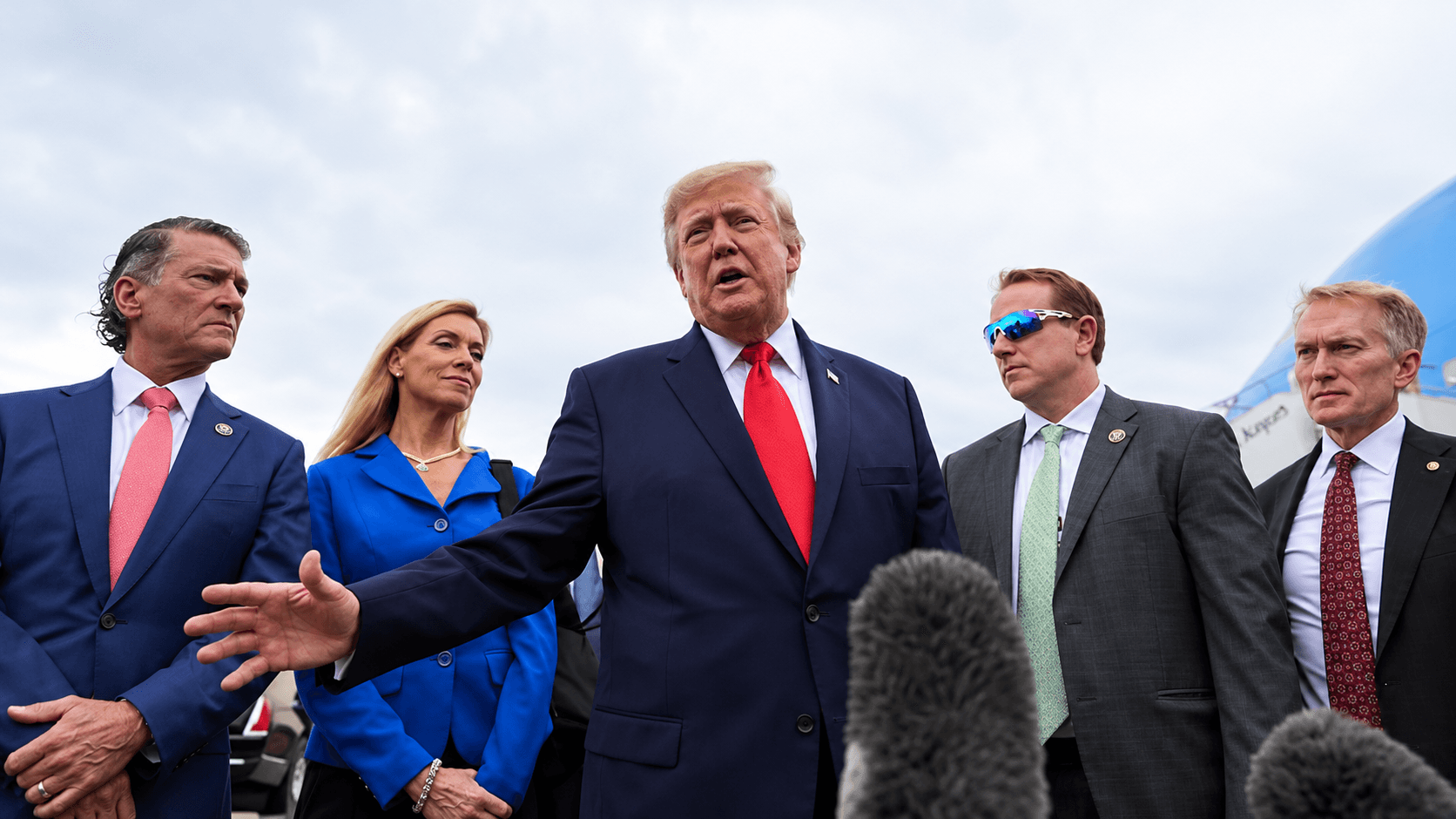
President Donald Trump is warning Iran that the choice ahead may come down to a negotiated settlement or a far harsher outcome. At the same time, the Pentagon is preparing for the possibility of renewed large-scale military operations.
U.S. officials say no final decision has been made to launch another campaign. But military planners have reportedly been told to complete preparations for a range of options, including potential strikes on Iranian nuclear, energy and other strategic infrastructure.
The combination of military preparations, increasingly forceful rhetoric and stalled diplomacy is raising fresh concerns that the conflict could escalate once again.
WHAT HAPPENED?
The latest escalation follows months of fighting between the United States and Iran, alongside periods of attempted diplomacy and temporary ceasefire arrangements.
Trump has repeatedly said Tehran must make major concessions before the conflict can be brought to a lasting end.
In recent remarks, he said Washington would soon have to decide whether the conflict ends “the nice way or the not-so-nice way,” while arguing that Iran's military capabilities have already suffered significant damage.
Vice President JD Vance has focused particular attention on Iran's uranium-enrichment program.
Vance said Tehran would need to make a “meaningful” reduction in its enrichment capacity before Washington could accept a permanent ceasefire.
The administration says it is seeking more than another temporary pause in fighting. Its stated goal is an agreement that prevents Iran from rebuilding a nuclear capability that Washington considers unacceptable.
THE PENTAGON IS PREPARING — BUT TRUMP HAS NOT GIVEN THE FINAL ORDER
One of the clearest signs of rising tensions is coming from the Pentagon.
According to U.S. officials cited by Axios, U.S. Central Command has been directed to finalize preparations for possible major combat operations against Iran.
That does not mean another attack has been ordered.
The reported directive did not include a launch date, and Trump has not made a final decision on whether to resume major strikes.
Military planning, however, reportedly includes possible attacks on Iranian nuclear facilities, energy infrastructure and other strategic targets.
For Washington, that keeps military options available if diplomacy breaks down. For Tehran, it is also a signal that the United States is prepared to escalate.
TRUMP'S WARNING TO TEHRAN
Trump's message to Iran has become increasingly direct.
He has argued that Iran's military has been severely weakened and that Tehran now faces a choice between accepting an agreement and dealing with further pressure.
The president has also rejected the idea of simply returning to the situation that existed before the conflict.
The nuclear issue remains at the heart of Washington's position.
The administration wants Iran's enrichment capabilities substantially reduced. Tehran, meanwhile, has historically maintained that it has a right to peaceful nuclear technology.
The disagreement goes beyond the question of nuclear weapons.
It also involves Iran's sovereignty, sanctions, regional influence and the future of its nuclear program.
TEHRAN PREPARES FOR RETALIATION
Iran is showing no sign that it intends to simply back down.
Reuters has reported that Iranian military planners have been preparing for a stronger response if the United States launches another major attack.
Any retaliation could potentially extend beyond American military positions to U.S. allies and other targets across the region.
Iranian leaders have also warned Gulf states against supporting American military operations.
That raises the risk of a much broader confrontation.
A new U.S. strike could trigger attacks involving Iran-aligned forces, missile launches, disruptions to shipping or pressure on critical infrastructure across the Middle East.
THE STRAIT OF HORMUZ IS PART OF THE CALCULATION
The Strait of Hormuz remains a major part of the wider security picture.
The waterway is one of the world's most important energy routes. Any serious disruption could quickly affect oil and LNG shipments, shipping costs and inflation.
Trump has claimed that oil flows through Hormuz have returned to, and at times exceeded, pre-war levels.
Even so, the broader conflict continues to create uncertainty for energy markets and commercial shipping.
A major escalation involving Iran could put renewed pressure on vessels traveling through the region and send energy prices higher.
For Asian economies that depend heavily on Gulf energy supplies, the effects could be felt quickly through higher crude prices, insurance premiums and freight costs.
THE NUCLEAR QUESTION
At the center of the dispute is Iran's uranium-enrichment program.
Before the conflict, the International Atomic Energy Agency had estimated that Iran held a significant stockpile of uranium enriched to 60% purity.
That level is far above what is normally required for civilian nuclear fuel, although it remains below weapons-grade enrichment.
U.S. and Israeli strikes damaged Iran's known nuclear facilities, but the attacks also created significant uncertainty over what remains.
Inspectors have faced difficulties determining exactly what material is still available, whether some of it was moved and how quickly Iran could restore its enrichment capabilities.
That uncertainty is now a major concern for Washington.
The Trump administration wants meaningful limits on Iran's nuclear capabilities rather than simply relying on damaged facilities that could eventually be rebuilt.
DIPLOMACY IS STILL ALIVE — BUT THE SPACE IS SHRINKING
Military pressure has not completely closed the diplomatic door.
Qatar and Oman have continued to play roles as intermediaries, while U.S. officials have maintained indirect contacts with Iranian representatives.
Washington says it remains open to a negotiated agreement.
The problem is that the positions of the two sides remain difficult to bridge.
The United States is demanding major restrictions on Iran's nuclear capabilities.
Iran, meanwhile, wants an end to military attacks and sanctions that have placed pressure on its economy.
As long as those positions remain far apart, the risk grows that military calculations could begin to overtake diplomatic efforts.
THE POLITICAL CLOCK IS ALSO TICKING
Another factor in Washington's calculations is the U.S. midterm election.
Trump has suggested that further military action could potentially resume after the November 3 elections if no satisfactory agreement is reached.
That adds a political dimension to an already volatile security crisis.
A renewed military campaign, whether before or after the election, could carry significant political consequences.
Higher oil prices could put additional pressure on American consumers, while a prolonged conflict could affect public opinion and congressional races.
Trump, however, continues to argue that confronting Iran is necessary to prevent a greater threat in the future.
THE REGIONAL RISK
A renewed U.S.–Iran confrontation would be unlikely to remain limited to Washington and Tehran.
Israel could face another round of Iranian missile attacks.
U.S. military bases across the Gulf could come under threat.
Iran-aligned groups in Iraq, Yemen and Lebanon could also become more active.
Gulf energy facilities and major shipping routes could face additional risks.
Recent attacks involving the Houthis have already shown how quickly tensions involving Iran can spread beyond the immediate battlefield.
The concern, therefore, is not simply another exchange of missiles between two countries.
It is the possibility of a much wider regional escalation.
WHY THIS MATTERS
For global markets, uncertainty is the biggest concern.
A major U.S. attack on Iran could push oil prices higher, increase shipping and insurance costs and revive inflation worries.
That could complicate decisions for central banks already trying to balance persistent inflation against weaker economic growth.
For India and other major Asian energy importers, the risks are particularly significant.
Higher crude prices can increase import bills, put pressure on currencies and raise transportation and consumer costs.
Europe and other regions that rely on imported LNG could also face higher prices or supply concerns if disruption spreads across the Gulf.
What happens between Washington and Tehran, in other words, could quickly become a global economic story.
FACT CHECK METER
FACT METER: 97%
STATUS: DEVELOPING
CONFIRMED:
The Pentagon has reportedly been preparing military options for possible renewed major operations against Iran, while Trump has continued to warn Tehran and demand significant nuclear concessions.
IMPORTANT DISTINCTION:
Preparation for military action is not the same as an order to attack. Current reporting indicates that Trump has not made a final decision on launching another major campaign.
CONTESTED / UNCERTAIN:
The exact scale, timing and targets of any possible future U.S. operation remain unknown.
AWX ASSESSMENT:
Washington and Tehran are entering a highly tense period, but a new full-scale U.S. offensive has not been confirmed.
AWX FOCUS
The most important development may not be Trump's rhetoric by itself.
It is the combination of military preparation and diplomatic pressure.
Washington is keeping its military options open while demanding major changes to Iran's nuclear program.
Tehran, meanwhile, is preparing for the possibility of renewed attacks and warning that any escalation could trigger retaliation across the region.
That leaves both sides with fewer easy ways out.
The longer negotiations remain unresolved, the greater the possibility that one military move could trigger another.
WHAT TO WATCH NEXT
1. TRUMP'S DECISION
Whether the president approves renewed large-scale strikes against Iran.
2. IRAN'S NUCLEAR POSITION
Whether Tehran agrees to meaningful reductions in its enrichment capacity.
3. U.S.–IRAN BACKCHANNELS
Whether Qatar, Oman or other intermediaries can reopen a serious negotiating track.
4. STRAIT OF HORMUZ
Any renewed disruption to commercial shipping could quickly affect global energy markets.
5. REGIONAL RETALIATION
Watch for attacks involving U.S. bases, Israel, Gulf states or Iran-aligned groups.
6. OIL PRICES
A sustained escalation could put fresh upward pressure on crude prices and inflation.
THE AWX BOTTOM LINE
Washington and Tehran are once again approaching a critical moment.
Trump is warning that Iran could face a much tougher response if diplomacy fails. The Pentagon is preparing military options, while Tehran is preparing for the possibility of retaliation.
But one distinction remains crucial:
The United States has prepared for another possible phase of the conflict — but has not confirmed that it will begin one.
For now, diplomacy remains possible.
But with military preparations underway, nuclear negotiations unresolved and both sides warning of retaliation, the room for diplomacy is becoming increasingly narrow.
ATTLAS WIRE | AWX WORLD NEWS
Real Stories. Lasting Impact.



Comments
No comments yet.