

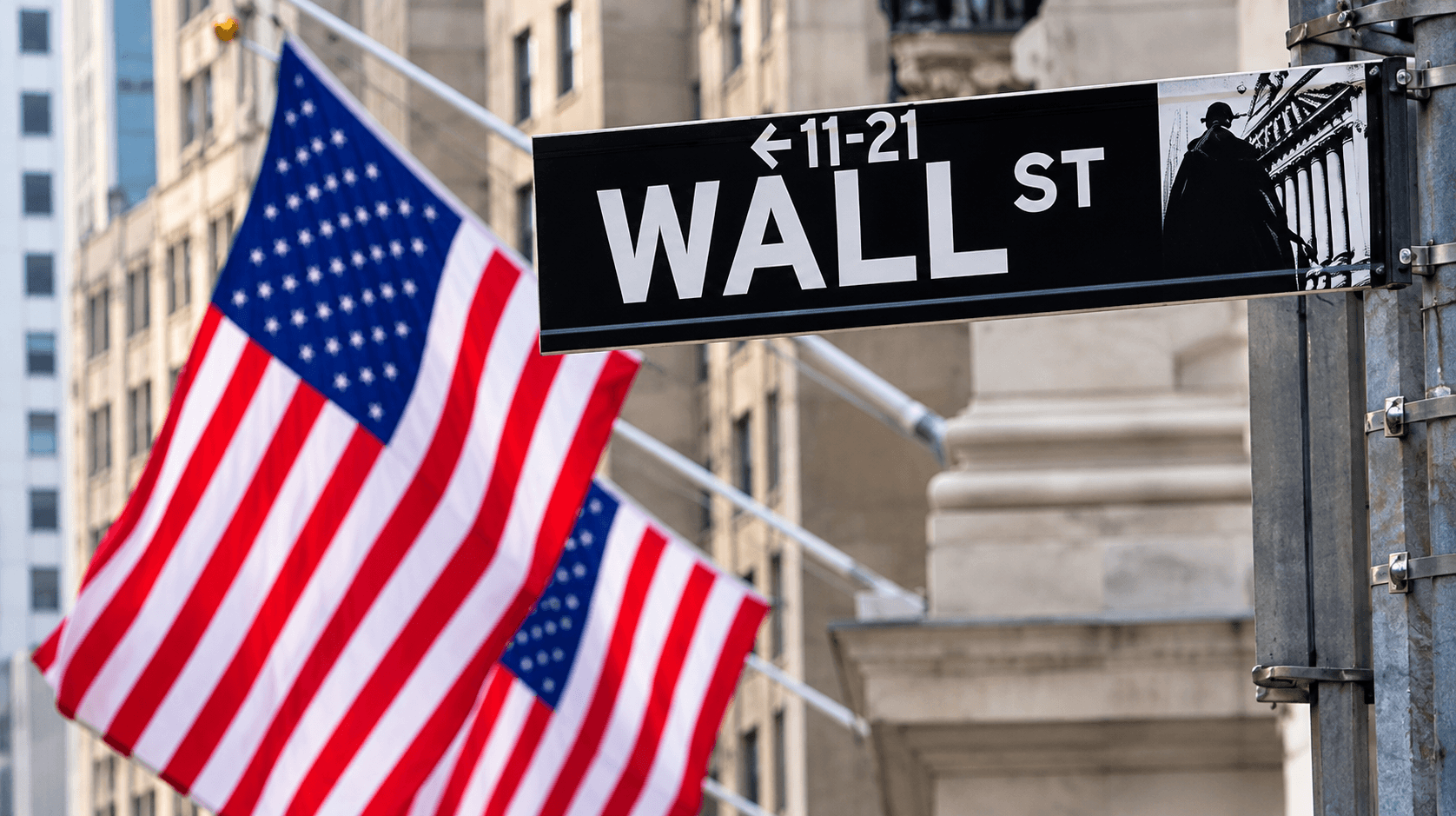
Wall Street is showing some resilience, but the bond market is telling a more complicated story.
U.S. stocks remain close to record highs after a strong October rally, even as Treasury yields have climbed to levels not seen in decades. The contrast is becoming harder to ignore: investors are still buying equities, while the cost of borrowing continues to rise underneath the market.
The S&P 500 and Nasdaq closed at fresh records on Tuesday. By Wednesday, however, all three major indexes moved lower as long-term Treasury yields resumed their climb.
The Dow Jones Industrial Average fell about 0.6%, the S&P 500 slipped 0.3% and the Nasdaq lost 0.4%.
The decline in stocks was relatively small.
The move in bonds was much more significant.
The 30-year Treasury yield reached a 24-year high, while the 10-year yield traded around 5.3%, close to levels last seen in the early 2000s.
WALL STREET'S BIG BOUNCE
The latest market story is not simply about stocks falling.
It is about how quickly investors have been willing to buy into weakness.
The S&P 500 and Nasdaq both reached record closing levels earlier in the week, extending a rally fueled by enthusiasm around artificial intelligence, expectations for corporate earnings and hopes that monetary policy could eventually become less restrictive.
Investors have also taken some comfort from expectations that the Federal Reserve is unlikely to deliver another aggressive rate increase immediately.
But that optimism is facing a tougher test in the bond market.
When Treasury yields rise sharply, expensive growth stocks and technology companies become harder to value at elevated levels. Investors can earn more from government bonds, while the present value of future corporate earnings falls.
That creates a difficult calculation for Wall Street.
Stocks are still attracting buyers, but investors now have to weigh potential equity returns against government bonds offering substantially higher yields than they did a year ago.
THE BOND MARKET IS THE REAL STORY
The clearest warning signal is coming from Treasury markets.
The 10-year Treasury yield recently climbed to around 5.35%, its highest level since 2002. The 30-year yield also reached a 24-year high.
Because bond prices move in the opposite direction from yields, the move represents another period of pressure for investors holding existing long-term bonds.
Several factors are driving the increase:
Persistent inflation concerns
Higher oil prices
Expectations for interest rates to remain elevated
Heavy U.S. government borrowing
Rising term premiums
Concerns about long-term fiscal sustainability
The rise in long-term yields is increasingly being viewed as more than a simple reflection of Federal Reserve policy.
Investors are demanding greater compensation for holding long-duration government debt as they weigh inflation risks, government borrowing and uncertainty over where interest rates will settle.
WHY STOCKS ARE NOT COLLAPSING
That raises an obvious question:
If bonds are under this much pressure, why hasn't Wall Street fallen apart?
Corporate earnings are one major reason.
Investors continue to expect solid earnings growth, particularly from technology and artificial-intelligence companies.
The upcoming third-quarter earnings season will be especially important. Investors want to see whether the huge amounts being spent on AI infrastructure are translating into actual revenue and profits.
There is also some breathing room because the latest decline came after stocks had already reached record levels.
The S&P 500 and Nasdaq entered the pullback from historically high levels, so Wednesday's losses did not necessarily point to a broader market breakdown.
For now, the move looks more like profit-taking and caution than panic.
Investors are watching Treasury yields and oil prices closely while deciding whether the rally still has room to run.
OIL IS MAKING THE FED'S JOB HARDER
Crude oil is adding another layer of uncertainty.
Brent crude briefly moved above $100 a barrel as the U.S.–Iran conflict continued to raise concerns about global energy supplies.
Higher oil prices create a difficult situation for central banks. They can push inflation higher while also increasing costs for households and businesses.
That can produce an uncomfortable combination:
Higher inflation + slower growth + higher interest rates.
For investors, that is more worrying than an isolated increase in oil prices.
If energy costs remain elevated, the Federal Reserve could find it harder to cut rates even if economic growth begins to weaken.
That would keep borrowing costs higher for longer — a scenario that would put additional pressure on both stocks and bonds.
THE FED IS NOW UNDER THE MICROSCOPE
Federal Reserve policy remains another major source of uncertainty.
Minutes from the September meeting showed disagreement among officials over the reasons for raising rates.
Some policymakers considered the move necessary to prevent energy-price shocks from becoming embedded in inflation. Others remained more focused on demand-driven inflation.
That debate matters because investors are trying to work out what comes next.
Markets have recently placed a much lower probability on another immediate rate increase in October than they did the previous week.
But those expectations could change quickly if inflation or energy prices move higher again.
For now, investors are watching every major inflation and labor-market release for clues about the Fed's next move.
THE 10-YEAR TREASURY IS THE NUMBER TO WATCH
For Wall Street, the 10-year Treasury yield may matter more than the daily movement of the Dow.
It influences mortgage rates, corporate borrowing costs, equity valuations and the government's financing expenses.
When the 10-year yield rises, companies face a higher baseline cost of capital. At the same time, investors generally place a lower present value on earnings expected many years into the future.
The housing market is already feeling some of that pressure.
Higher Treasury yields have pushed mortgage rates toward multi-year highs, putting additional pressure on homebuilders and housing-related shares.
And the impact extends well beyond Wall Street.
Higher Treasury yields can mean:
More expensive mortgages.
More expensive corporate borrowing.
Higher government interest costs.
Tighter financial conditions.
Greater pressure on consumers.
BUT DEMAND FOR TREASURIES HAS NOT DISAPPEARED
There is an important counterpoint to the recent bond selloff.
Investors have not abandoned U.S. government debt.
A $39 billion auction of 10-year Treasury notes attracted strong demand, helping Treasury prices recover after yields briefly reached fresh highs.
That suggests investors are still willing to buy U.S. debt when yields become attractive enough.
The recent volatility, therefore, should not automatically be interpreted as a loss of confidence in Treasuries.
Instead, investors appear to be demanding higher returns before committing money to longer-term government debt.
That distinction matters.
THE DEBT PROBLEM IS GETTING HARDER TO IGNORE
The bigger concern is the scale of U.S. borrowing.
Washington must continue refinancing existing debt while also financing new government spending.
When interest rates are low, that burden is easier to absorb.
When long-term yields rise above 5%, however, the cost becomes much more significant.
Investors are watching a potential feedback loop:
More borrowing → more Treasury supply → higher yields → higher interest costs → greater fiscal pressure.
That does not mean a debt crisis is inevitable.
But it does make the bond market increasingly important to the broader U.S. economic outlook.
GLOBAL MARKETS ARE WATCHING
The Treasury selloff is not just an American story.
Higher U.S. yields can affect borrowing costs and capital flows around the world.
Emerging-market currencies can come under pressure when U.S. assets offer more attractive returns. Developing economies can also face higher financing costs.
European and Asian bond markets may respond to large moves in Treasury yields as investors reassess global interest-rate expectations.
That is one reason the recent volatility has spread beyond Wall Street.
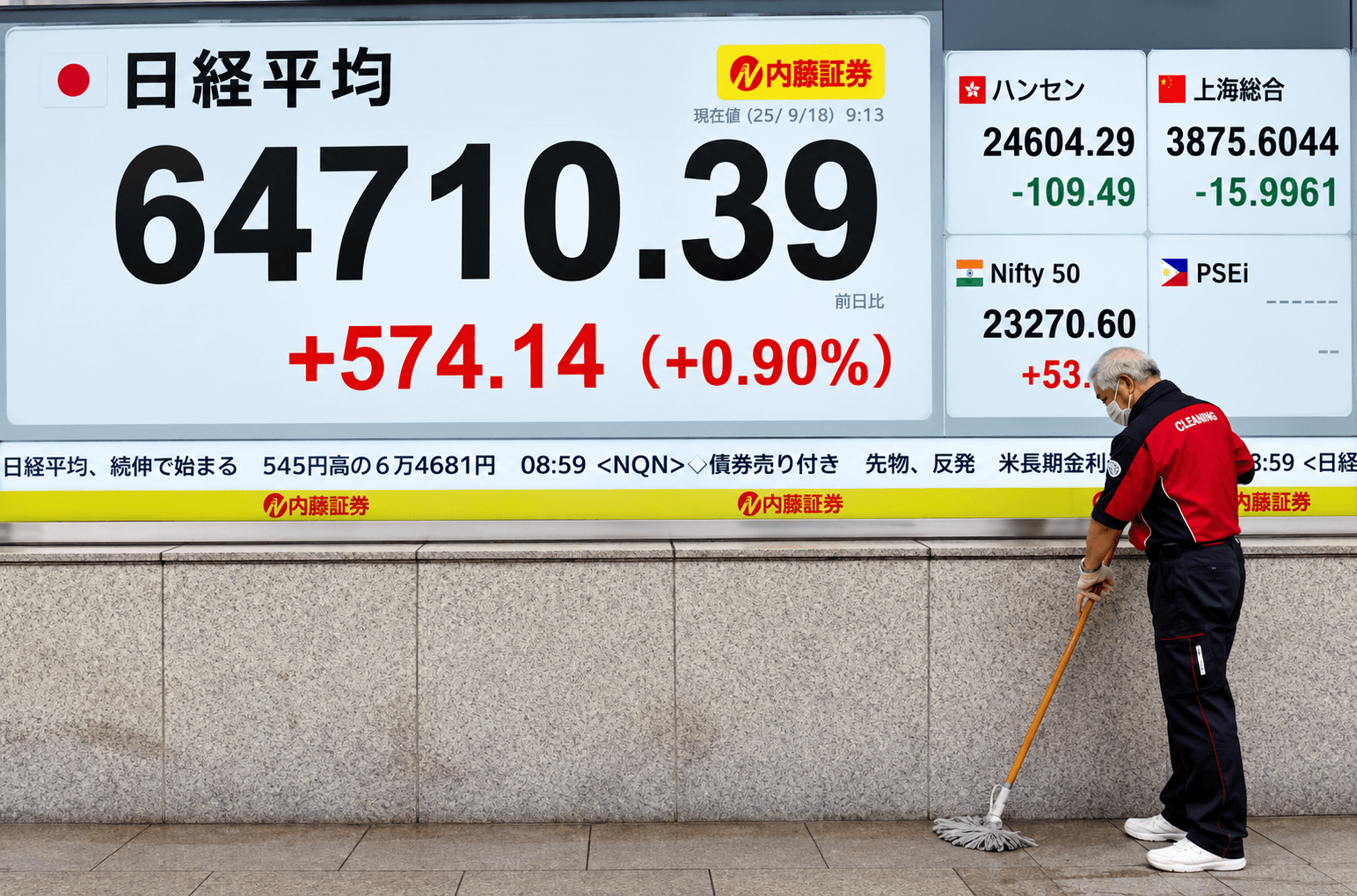
Asian markets, for example, have also come under pressure as investors weigh elevated U.S. yields alongside higher oil prices.
THE AI RALLY FACES A NEW TEST
Technology stocks have been among the biggest winners of the 2026 rally.
But higher yields create a particularly difficult environment for growth companies because much of their valuation is based on profits expected years into the future.
When bond yields rise, those future profits become less valuable in today's dollars.
That does not necessarily mean the AI rally is finished.
It could, however, make investors more selective.
Companies producing real revenue, strong cash flow and improving profits may continue to attract capital. Companies whose valuations depend heavily on expectations of future growth could face greater pressure.
That makes the upcoming earnings season especially important.
THE BIG QUESTION: STOCKS OR BONDS?
The changing bond market is giving investors another choice.
For years, low Treasury yields pushed investors toward stocks and other riskier assets.
That equation is changing.
With the 10-year Treasury yield around 5%, government bonds are offering substantially more income than they have in recent years.
That makes the competition between stocks and bonds more meaningful.
Some investors are already moving money toward fixed income as yields rise. Recent market data has also shown strong inflows into bond funds during the selloff, suggesting that higher yields are attracting buyers rather than simply driving investors away.
In other words, the pain in the bond market is creating an opportunity for investors willing to lock in higher yields.
WHY THIS MATTERS
The latest market action highlights an important reality:
Wall Street can keep rising even as the financial system underneath it becomes more expensive.
Stocks can continue climbing if corporate earnings remain strong and investors stay optimistic about technology.
But elevated Treasury yields could eventually put that optimism under greater pressure.
A prolonged period of high yields would raise borrowing costs across the economy and could reduce the valuations investors are willing to pay for stocks.
For the current rally to continue smoothly, several things need to go right:
Oil prices need to stabilize.
Inflation needs to remain under control.
Treasury demand needs to stay healthy.
The Federal Reserve needs to avoid unexpectedly aggressive tightening.
Corporate earnings need to support current equity valuations.
A major deterioration in any one of those areas could quickly increase market volatility.
FACT CHECK METER
FACT METER: 98%
STATUS: DEVELOPING
CONFIRMED:
U.S. stocks recently reached record highs before pulling back, while long-term Treasury yields climbed sharply. The 30-year Treasury yield reached a 24-year high and the 10-year yield moved around the 5.3% area.
CONFIRMED:
Higher oil prices, inflation concerns, government borrowing and uncertainty over Federal Reserve policy are contributing to pressure in the bond market.
IMPORTANT DISTINCTION:
Bond-market volatility does not automatically mean a financial crisis is underway. Strong demand at the recent $39 billion 10-year Treasury auction shows that investors continue to buy U.S. government debt when yields are attractive.
AWX VERDICT:
Wall Street remains resilient, but the bond market is becoming one of the most important warning signals for investors.
AWX FOCUS
The biggest market story may not be the next move in the S&P 500.
It may be what happens to the 10-year Treasury yield.
Stocks have shown remarkable strength despite rising borrowing costs. AI optimism remains strong, and investors are still willing to take on risk.
But markets cannot ignore the bond market forever.
If yields stabilize, equities could continue pushing higher.
If yields climb again — particularly alongside oil prices above $100 and persistent inflation — pressure on stocks could become much more serious.
The next phase of the market may therefore depend less on another record close for stocks and more on whether the bond market can finally settle down.
WHAT TO WATCH NEXT
1. THE 10-YEAR TREASURY YIELD
A sustained move above recent highs would increase pressure across financial markets.
2. THE 30-YEAR TREASURY
Long-term yields remain an important indicator of inflation and fiscal concerns.
3. OIL PRICES
Any further escalation in the Middle East could send energy prices higher again.
4. FED POLICY
Investors will closely follow inflation and economic data for clues about the next rate decision.
5. THIRD-QUARTER EARNINGS
Corporate results will help determine whether current stock valuations can be justified.
6. TREASURY AUCTIONS
Strong demand would reassure investors that buyers remain willing to finance U.S. government debt.
7. BOND-FUND FLOWS
Continued inflows could indicate that investors see today's higher yields as an attractive opportunity.
THE AWX BOTTOM LINE
Wall Street has shown repeatedly that it can bounce back.
The bond market, however, is becoming harder to ignore.
Stocks remain near record territory, enthusiasm around AI is still strong and investors continue to take risks.
At the same time, Treasury yields have climbed to levels not seen in more than two decades, oil remains a significant inflation risk and the Federal Reserve faces an increasingly difficult policy environment.
The message from the markets is straightforward:
The stock rally is alive — but the cost of money is rising.
If Treasury yields continue climbing, Wall Street's resilience could face its toughest test yet.
ATTLAS WIRE | AWX WORLD NEWS
Real Stories. Lasting Impact.



Comments
No comments yet.