


The India–Middle East–Europe Economic Corridor is coming back into focus as disruptions to established trade and energy routes highlight the strategic importance of reliable connections across the Middle East.
First announced as a major infrastructure initiative, IMEC is intended to strengthen economic links between India, the Gulf and Europe.
The proposed network would bring together maritime shipping, rail connections and supporting infrastructure to create another route between some of the world's major markets.
But turning that vision into reality has proved difficult.
Regional conflicts, security concerns and shifting political relationships have slowed progress and complicated efforts to move the project from an ambitious proposal to a functioning trade network.
Now, renewed concerns over maritime security and vulnerable chokepoints are once again putting IMEC under the spotlight.
WHAT IS IMEC?
The India–Middle East–Europe Economic Corridor is a proposed multinational connectivity network designed to link India, the Middle East and Europe.
At its core, the idea is relatively straightforward: goods would travel by sea from India to the Gulf, move across parts of the Arabian Peninsula using rail and other infrastructure, and then connect onward toward the Mediterranean and European markets.
The proposed corridor involves India, the United Arab Emirates, Saudi Arabia, Jordan, Israel and European partners.
The vision extends beyond transportation. Energy infrastructure and digital connectivity are also part of the broader concept.
The long-term goal is to create a more integrated economic link between three major regions.
WHY IS IMEC BACK IN FOCUS?
The global trade environment has changed considerably since IMEC was first announced.
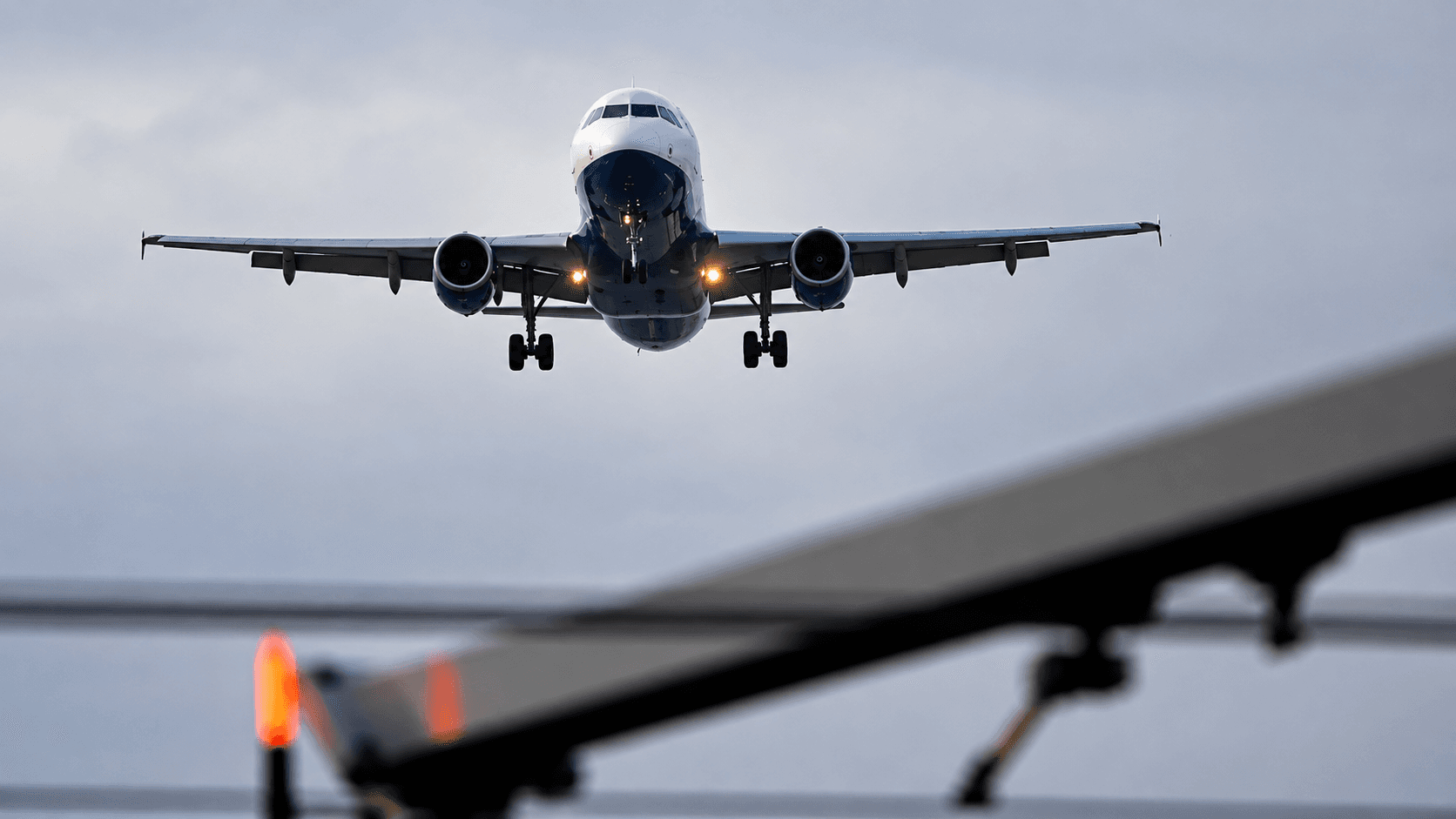
Shipping routes across the Middle East have faced growing security concerns, while major chokepoints such as the Strait of Hormuz, the Red Sea and the Bab el-Mandeb remain strategically important to international trade and energy supplies.
When shipping routes become vulnerable, governments and companies naturally start looking for alternatives.
That is where IMEC could become particularly important.
The corridor could offer another way to move certain goods between Asia, the Gulf and Europe without depending entirely on one maritime route.
It would not, however, replace shipping.
Instead, IMEC is designed as a multimodal network, combining sea transport with rail and other land-based connections.
INDIA'S INTEREST
India has strong economic and strategic reasons to improve its connections with both the Gulf and Europe.
The Gulf is already a major partner for India in areas such as energy, trade, investment and employment.
Europe, meanwhile, remains an important destination for Indian goods, services and investment.
If developed successfully, IMEC could potentially:
• Improve India's access to European markets
• Strengthen economic ties with Gulf countries
• Diversify India's trade routes
• Speed up the movement of selected goods
• Encourage investment in ports and logistics
• Strengthen India's role in global supply chains
For New Delhi, the corridor also fits into a wider strategy of positioning India as a major manufacturing, logistics and investment hub.
THE GULF'S ROLE
The UAE and Saudi Arabia would be at the centre of the proposed corridor.
Their geographic position gives them an important role between the Indian Ocean and the Mediterranean, while both countries are investing heavily in ports, logistics, railways and wider infrastructure.
For the Gulf states, IMEC could create an opportunity to strengthen their position as major transit and logistics hubs connecting Asian and European markets.
But building the physical infrastructure is only part of the challenge.
Ports, railways, customs systems and border procedures would all need to work together efficiently.
That requires sustained cooperation between several governments and agencies over many years.
EUROPE'S INTEREST
For Europe, IMEC could provide another connection to India's expanding economy while helping diversify supply chains.
Businesses increasingly want alternatives rather than relying heavily on a single transportation route.
A functioning corridor could therefore become part of Europe's broader effort to build more resilient trade networks.
But the economics will matter.
Businesses will ultimately look at the cost, speed, reliability and security of the route before choosing it over established maritime alternatives.
Political stability will be just as important.
THE GEOPOLITICAL CHALLENGE
For IMEC, the biggest obstacle may not be construction. It may be geopolitics.
The proposed route passes through a region where political relationships can change quickly and where conflicts can have immediate consequences for infrastructure and trade.
Even when countries remain committed to the economic idea behind a project, security concerns or diplomatic tensions can delay progress.
The Israel-Gaza conflict has further complicated the political environment surrounding the proposed corridor.
That makes one point particularly important:
Political support for IMEC does not mean the corridor is already operational.
Significant infrastructure, investment, coordination and long-term political cooperation are still required.
IMEC AND GLOBAL TRADE
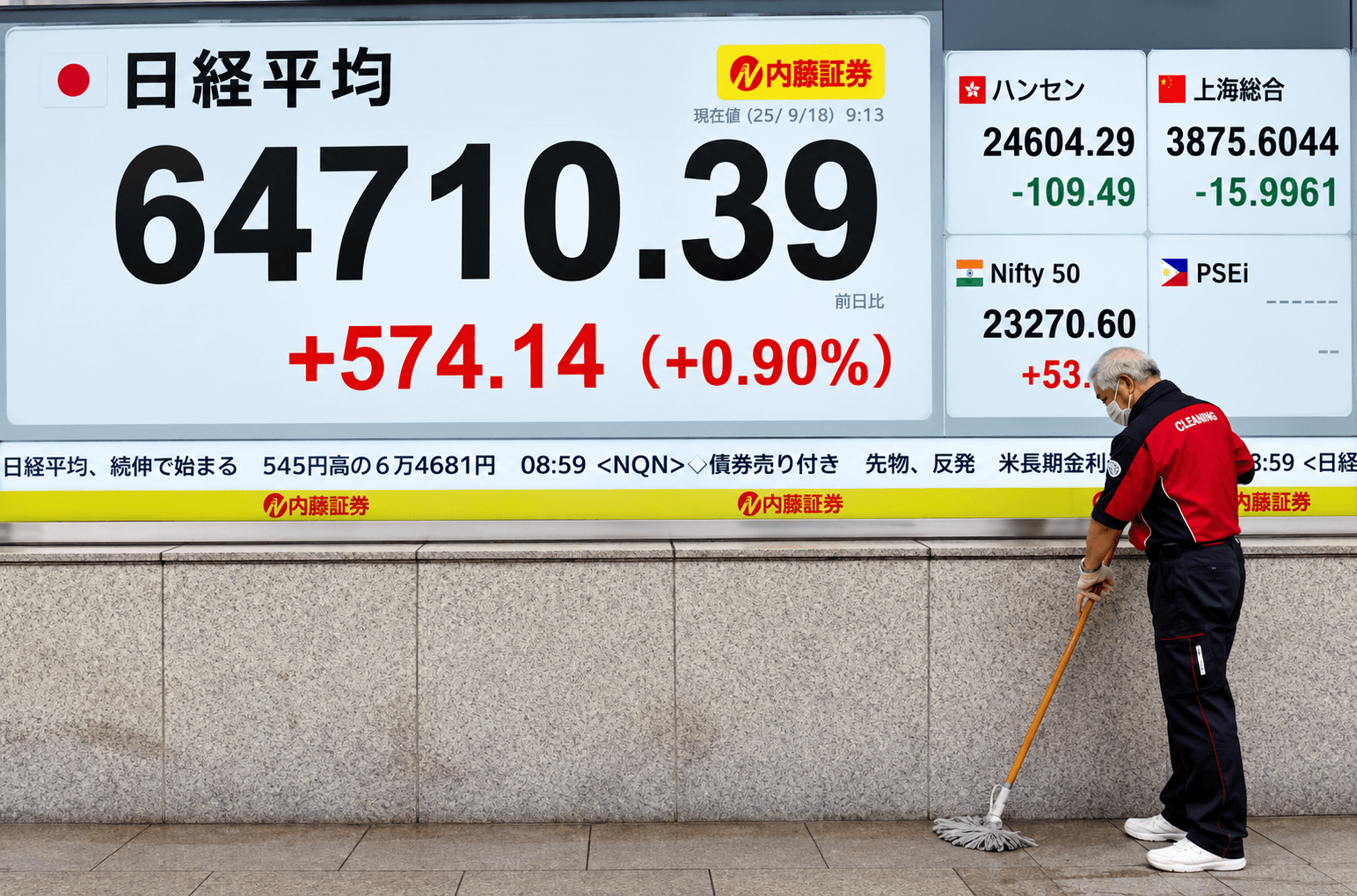
The renewed interest in IMEC is part of a much bigger shift in the global trading system.
Governments and companies are paying closer attention to supply-chain resilience after repeated disruptions to major transportation routes.
Events involving the Suez Canal, Red Sea shipping and other strategic waterways have shown how quickly problems at a major chokepoint can affect freight costs, delivery schedules and global markets.
Diversifying trade routes could help reduce some of those vulnerabilities.
For that reason, IMEC is increasingly being viewed as more than an infrastructure project. It could become part of a wider strategy focused on economic resilience and strategic connectivity.
WHY THIS MATTERS
1. TRADE ROUTES ARE CHANGING
Security concerns are prompting governments and businesses to reconsider how goods move between Asia, the Middle East and Europe.
2. INDIA COULD STRENGTHEN ITS GLOBAL ROLE
A functioning corridor could give India stronger connections to Gulf and European markets while supporting its ambitions as a manufacturing and logistics hub.
3. THE GULF COULD BECOME A GLOBAL CONNECTIVITY HUB
The UAE and Saudi Arabia could attract further investment into ports, railways, logistics and related infrastructure.
4. EUROPE COULD GAIN ANOTHER TRADE CONNECTION
Stronger links with India could give European businesses another option for sourcing and transporting goods while opening additional commercial opportunities.
5. SECURITY WILL BE CRITICAL
The corridor's long-term success will depend heavily on political stability and security across the regions it passes through.
FACT CHECK METER
AWX FACT CHECK
STATUS: DEVELOPING
CONFIRMED
• The India–Middle East–Europe Economic Corridor was announced as a major international connectivity initiative.
• India is a central participant in the proposed corridor.
• The UAE and Saudi Arabia are important parts of the proposed route.
• The project is designed to combine maritime and rail transportation.
• Europe is a key destination within the proposed network.
• Regional security concerns have increased interest in alternative trade routes.
NOT INDEPENDENTLY VERIFIED
• A definitive completion date for the entire corridor.
• The final cost of the complete project.
• The exact volume of trade that could eventually move through IMEC.
• Whether the corridor could operate at full capacity during continued regional conflict.
SUPPORTERS' CLAIM
Supporters say IMEC could improve connectivity, diversify supply chains and deepen economic ties between India, the Middle East and Europe.
KEY CHALLENGE
Political instability, security risks, financing, infrastructure coordination and cross-border regulations remain significant hurdles.
AWX VERDICT
FACTUAL CORE: VERIFIED
STRATEGIC IMPORTANCE: RISING
IMPLEMENTATION: DEVELOPING
FULL OPERATION: NOT YET ESTABLISHED
WHAT TO WATCH NEXT
India
Whether New Delhi announces new infrastructure investments, financing plans or diplomatic initiatives linked to IMEC.
UAE and Saudi Arabia
Whether rail, port and logistics projects connected to the wider network move forward at a faster pace.
Europe
Whether European governments and businesses increase their involvement in the proposed corridor.
Regional security
Whether ongoing conflicts and tensions continue to create risks for the proposed route.
Shipping routes
Whether continued disruption around major maritime chokepoints increases demand for alternative land-based connections.
Infrastructure
Whether participating countries move beyond planning and agreements toward construction and operational integration.
Regional diplomacy
Whether the countries involved can maintain cooperation despite wider geopolitical tensions.
THE AWX BOTTOM LINE
IMEC was never intended to be simply another railway or shipping route.
It is a broader attempt to build an economic network connecting India, the Gulf and Europe.
Its strategic importance has grown as governments confront a more uncertain global trading environment and increased risks around major maritime chokepoints.
But IMEC remains a long-term project.
The real question is no longer whether the corridor makes strategic sense. It is whether the countries involved can turn that vision into infrastructure that works across borders, remains secure and makes commercial sense.
For India, the Gulf and Europe, the potential opportunity is significant.
So are the political, economic and security challenges standing in its way.
ATTLAS WIRE | AWX WORLD NEWS
Real Stories. Lasting Impact.

Comments
No comments yet.